



interracial & intercultural relationship therapy
Intercultural and interracial therapy that honors both your emotional needs and your cultural values — in-person in Richardson, TX, and online across Texas, Florida & Indiana.
Neither Person Has to Disappear
Make Room for Both Stories
We explore how race, culture, faith, immigration experiences, and family roles shape what each partner has learned about love, conflict, support, and commitment.

Name What Couples Miss
Talk openly about privilege, bias, microaggressions, code-switching, and the exhaustion of explaining your experience—without allowing vulnerability to become another debate.

Create a Shared Culture
Navigate premarital decisions, family approval, religion, traditions, finances, and raising children while building agreements that honor both backgrounds and the relationship you are choosing together.
therapists for mixed relationships


Ayesha Youngblood, M.A., LPC | Lead Clinician

Peyton Sutton, M.S., LPC, LMHC

Baylen Roundtree, M.A., LPC

Ayesha Kadri, M.A., LPC

Shreya Aggarwal, M.A., LPC
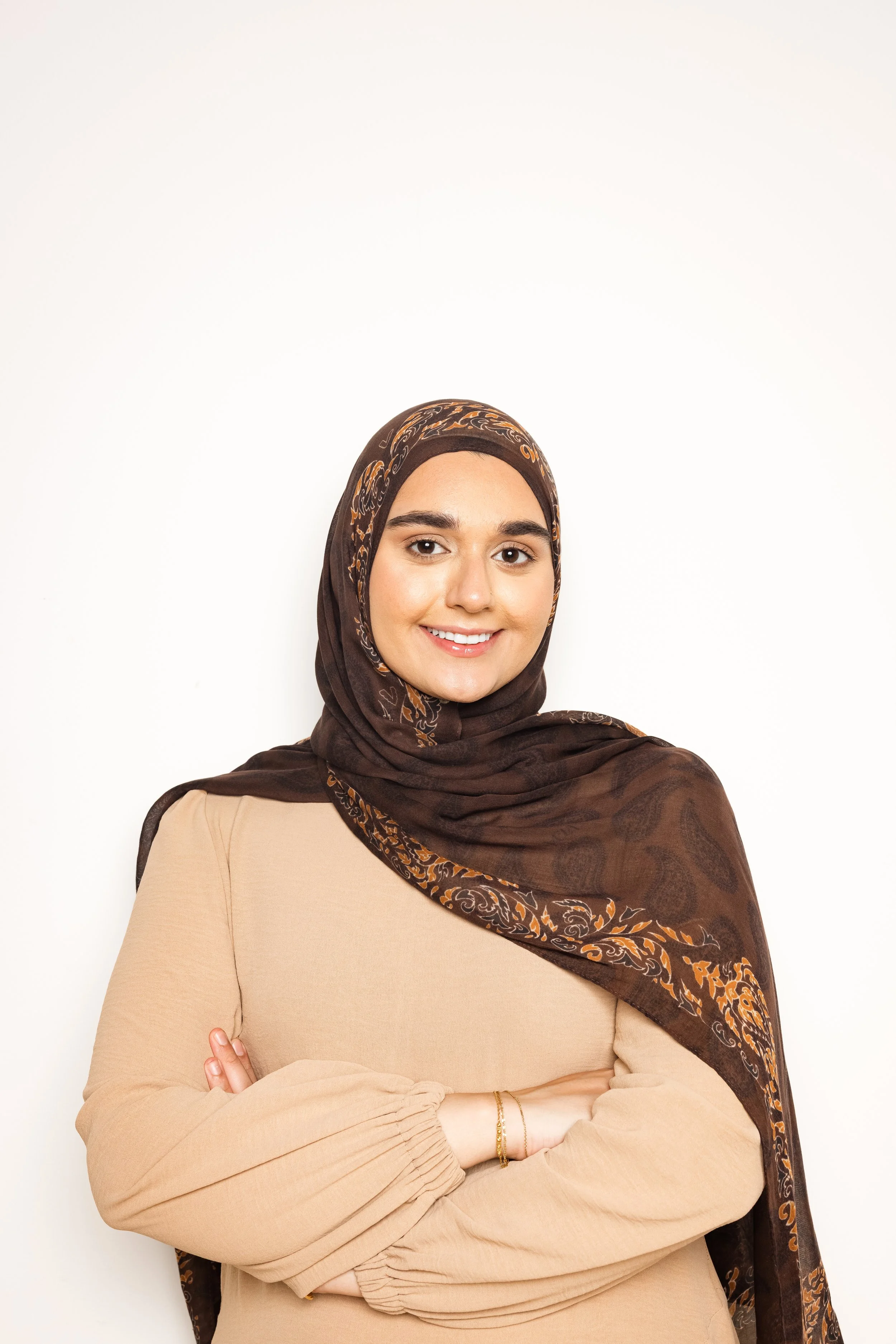
Hajrah Javed, M.A., LPC Associate

Teresa Nguyen, M.S., LPC Associate

When Love Crosses Cultures, Even Small Decisions Can Carry Generations
Do differences involving race, culture, religion, or family expectations keep creating tension in your relationship?
You may love each other deeply and still struggle to feel understood. One partner may feel responsible for protecting family traditions, while the other feels excluded, judged, or expected to adapt. Conversations about commitment, marriage, holidays, finances, faith, or raising children may become about much more than the decision in front of you.
Neither partner has to erase part of themselves to make the relationship work.
Intentional Therapy provides culturally responsive interracial and intercultural relationship therapy in person in Richardson, Texas, and virtually across Texas, Florida, and Indiana, based on clinician availability.
Create a Relationship Culture That Belongs to Both of You
The goal is not to eliminate every cultural difference. It is to help you approach those differences with enough honesty, curiosity, and mutual respect that they no longer threaten your connection.
Together, you can decide what your relationship will carry forward, what needs to be questioned, and what you want to create differently. Your shared culture does not have to be a perfect compromise between two backgrounds. It can become something intentional—built from the values, traditions, and commitments that genuinely belong to both of you.
How Cultural Differences Can Show Up in Your Relationship
Cultural differences are not always the problem. The difficulty often comes from what remains unspoken, misunderstood, or unevenly carried.
Family Approval and Involvement
Feeling pressured to earn acceptance, manage relatives’ reactions, or choose between your partner and your family.
Religion and Traditions
Navigating faith practices, holidays, ceremonies, food, language, clothing, community involvement, and cultural responsibilities.
Marriage and Your Shared Future
Facing difficult conversations about premarital expectations, finances, gender roles, where to live, extended family, and how future children may be raised.
Communication and Conflict
Interpreting directness, silence, emotional expression, affection, or disagreement differently based on what each of you learned growing up.
Race and Lived Experience
Struggling to discuss privilege, racism, colorism, discrimination, code-switching, or experiences one partner has never personally faced.
Couples therapy is not about deciding whose culture, family, or perspective matters more. It helps you understand what each difference represents and create responses that protect both the relationship and the people within it.
We work on what is happening between you now while also exploring the cultural and relational histories influencing it.
Strengthen How You Relate Today
Together, you can work toward:
Discussing cultural differences without becoming defensive or dismissive
Expressing needs without blaming, withdrawing, or overexplaining
Recognizing how bias, privilege, and unequal emotional labor affect the relationship
Creating boundaries with relatives while preserving meaningful connections
Repairing conflict without requiring one partner to surrender their identity
Advice alone rarely changes a relationship. We help you practice new ways of communicating that account for your personalities, histories, cultures, and real-life circumstances.
How Interracial and Intercultural Couples Therapy Can Help
Every relationship contains more than two people’s preferences. It also holds family histories, cultural rules, survival strategies, inherited beliefs, and expectations about what love is supposed to look like.
Intercultural couples therapy can help you explore:
What each of you learned about commitment, loyalty, and respect
How your families handled emotion, affection, privacy, and conflict
Which traditions still feel meaningful and which now create pressure
Why certain disagreements feel connected to belonging or rejection
Where one partner may be carrying more explaining, adapting, or defending
Understanding these influences does not excuse hurtful behavior. It gives you clearer language for changing patterns that otherwise continue to repeat.
Understand What Each Partner Brings Into the Relationship
What You Can Build Through Couples Therapy
Every relationship has different needs, but therapy may help you develop:
More honest and emotionally safer communication
Greater understanding across racial and cultural differences
Clearer boundaries with parents and extended family
Shared decisions about faith, traditions, finances, marriage, and children
Stronger skills for addressing bias, exclusion, or cultural misunderstandings
Greater trust that neither partner must disappear for the relationship to survive
Our Approach to Interracial and Intercultural Relationship Therapy
-
We address race, culture, religion, immigration, family expectations, and power directly rather than treating them as background details.
-
We help you recognize the emotional needs beneath recurring arguments and understand the cycles that leave one partner pursuing, withdrawing, defending, or shutting down.
-
Prepare for marriage by discussing family involvement, finances, faith, traditions, gender expectations, communication, and raising children before unspoken assumptions become recurring conflict.
-
The relationship is not strengthened by assigning one person as the problem. We create space for accountability, honesty, and change without asking either partner to abandon their lived experience.


THE PROCESS
01
free consultation
02
first session
personalized treatment plan
03
04
ongoing therapy
You Should Not Have to Choose Between Your Relationship and Who You Are
Interracial and intercultural relationships deserve support that understands the love between you and the worlds surrounding you.
Build a partnership where both of your histories are respected—and neither person has to become smaller to belong.