


Adult ADHD Masking When Looking Capable Costs More Than Anyone Sees
Some adults with ADHD do not appear disorganized. They appear intensely prepared, chronically early, perfectionistic, and exhausted. The visible competence may be supported by an invisible system that takes nearly everything they have.
The Perfectionism Trap: When “Good Enough” Feels Impossible
Perfectionism does not always create perfect work. Sometimes it creates an untouched document, a delayed decision, an apology rewritten seven times, or a person who succeeds publicly while privately feeling one mistake from exposure.

Affordable Counseling With Coree Morgan: Why a Graduate Student Therapist May Be the Right Fit
Meet Coree Morgan, Graduate Student Therapist at Intentional Therapy. Individual counseling is available for $50 per session under clinical supervision.

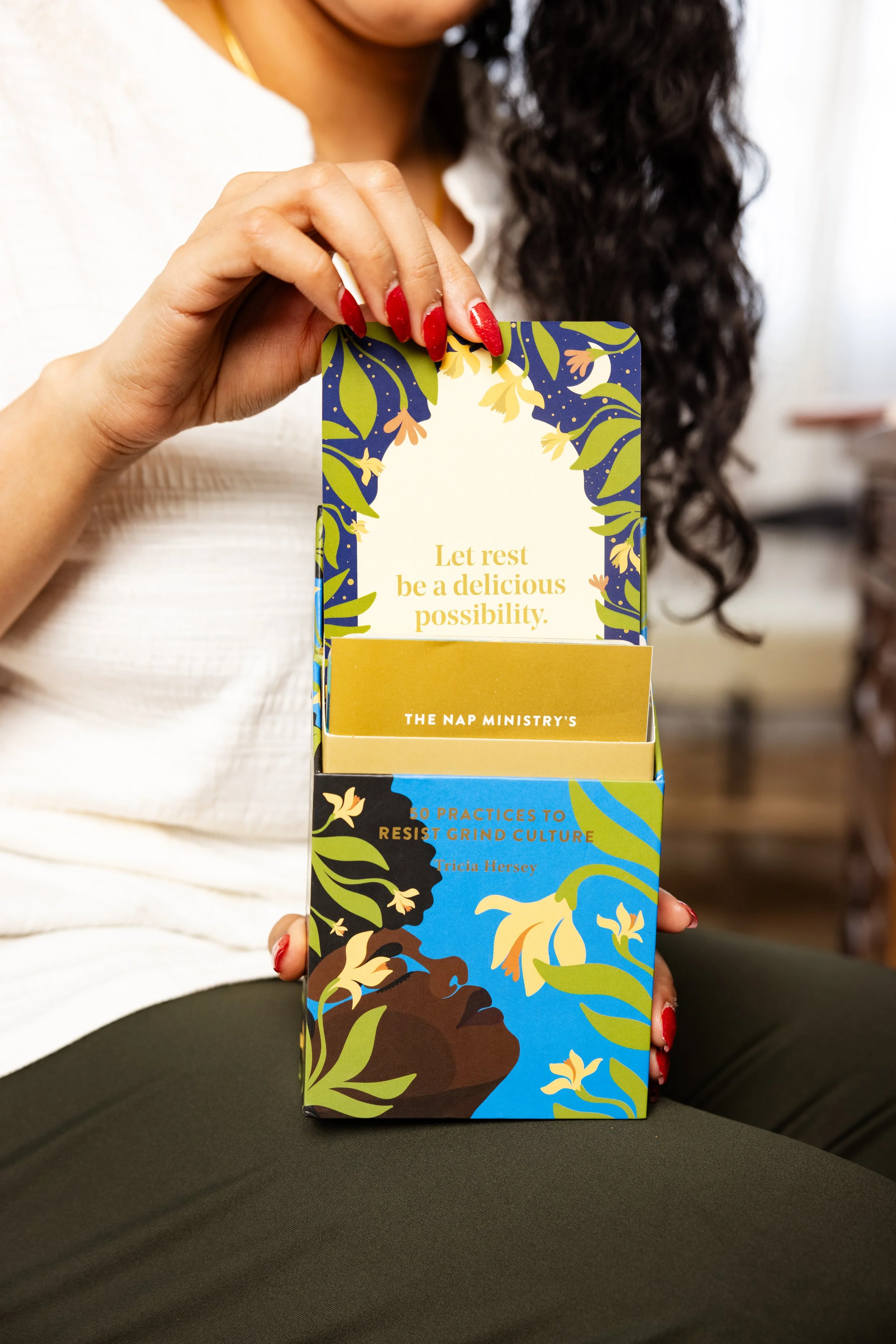
When Rest Feels Unsafe: Why Slowing Down Can Bring Up Guilt
Some people want to rest but feel anxious, guilty, or emotionally exposed as soon as life becomes quiet. That reaction may be connected to survival, family expectations, or a long history of measuring safety through productivity.

The Mental Load of Code-Switching: What It's Really Doing to Your Mental Health
You learned it young: how to adjust your voice, your language, your laugh, and your whole self depending on the room. Code-switching is a survival skill — but survival skills have a cost. Here's what it's doing to you.

How to Cope with Uncertainty and Change
Change is an inevitable part of life, yet uncertainty can leave us feeling anxious, overwhelmed, and stuck. Whether you're navigating a career change, relationship transition, parenthood, loss, or another major life adjustment, learning how to tolerate the unknown is an essential skill for emotional well-being. In this blog, we explore practical strategies for coping with uncertainty, including focusing on what you can control, staying present, practicing self-compassion, and leaning on your support system. Discover how to build resilience and move forward with confidence, even when the path ahead feels unclear.

How to Advocate for Your Mental Health Needs
Learning to advocate for your mental health is one of the most powerful forms of self-care. Yet many people struggle to communicate their needs, set boundaries, or ask for support out of fear of judgment, guilt, or conflict. In this article, we'll explore practical strategies for recognizing your emotional needs, communicating them effectively, and building healthier boundaries so you can prioritize your well-being with confidence and compassion.

Filial Piety and Mental Health: When Cultural Duty Becomes Emotional Burden
Honoring your parents is a value deeply embedded in many cultures — and it's a beautiful one. But when filial piety becomes a source of anxiety, guilt, and self-erasure, it's worth looking at more closely. You can love your culture and also take care of yourself.

What Is Gratitude Shaming and How Is It Affecting Your Mental Health?
You were taught to count your blessings — but somewhere along the way, gratitude became a weapon used to silence you. Gratitude shaming is real, it's common in multicultural families, and it's worth talking about.

"If You're Busy, You're Successful" The Lie Hurting Immigrant Families the Most
Somewhere along the way, rest became something to earn and productivity became proof of worth. In immigrant and first-generation families, this isn't just hustle culture — it often has much deeper roots. Here's what's really going on.

Assimilation vs. Integration: What's the Difference and Why It Matters for Your Mental Health
Most of us were never given a choice — we were just told to fit in. But there's a powerful difference between assimilating and integrating, and understanding it might change how you see yourself entirely.

What Is Intergenerational Trauma? Signs, Causes & How to Break the Cycle
You didn't choose the patterns you were born into — but you can choose what happens next. Learn what intergenerational trauma is, how to recognize it in yourself, and how therapy can help you break generational cycles for good.

Unveiling the Legacy
Empower healing within BIPOC communities by recognizing and addressing intergenerational trauma. Break patterns, nurture resilience, and create a legacy of well-being. Discover actionable steps at Intentional Therapy, PLLC

Embracing the Best of Both Worlds
Embrace the richness of bicultural identity as you navigate two worlds. This blog explores the journey of honoring heritage, cultivating connections, and thriving while straddling diverse cultural norms.

Vedic counseling: A Holistic Approach to Mental Health
This unique approach empowers clients to navigate life's challenges with clarity, resilience, and a deeper understanding of their authentic selves.

How to Talk to Your Partner About Your Mental Health: A Guide to Open Communication and Support
This newfound transparency paves the way for your partner better to comprehend your experiences, emotions, and needs.

The Impact of Cultural Expectations on South Asian American Mental Health
The South Asian American experience is deeply intertwined with cultural traditions, values, and familial expectations. The intersection of cultural expectations and mental well-being is a complex and sensitive topic that requires thoughtful understanding and compassionate support.

Vedic Counseling: A Holistic Approach to Mental Health
This unique approach empowers clients to navigate life's challenges with clarity, resilience, and a deeper understanding of their authentic selves.

How to Talk to Your Partner About Your Mental Health: A Guide to Open Communication and Support
This newfound transparency paves the way for your partner better to comprehend your experiences, emotions, and needs.

Code-Switching and Mental Health: The Hidden Cost of Constantly Shifting
If you’ve ever ended the day feeling strangely exhausted from “talking normal” or “acting professional,” you’re not alone. For many South Asian, Black, Muslim, Hindu, Bengali, BIPOC, and first‑ or second‑gen adults, code‑switching is a daily survival skill—but it comes with a mental health cost. This post explores what code‑switching is, why we do it, how it impacts anxiety, identity, and burnout, and what it looks like to find spaces where your full self is allowed to exist.